
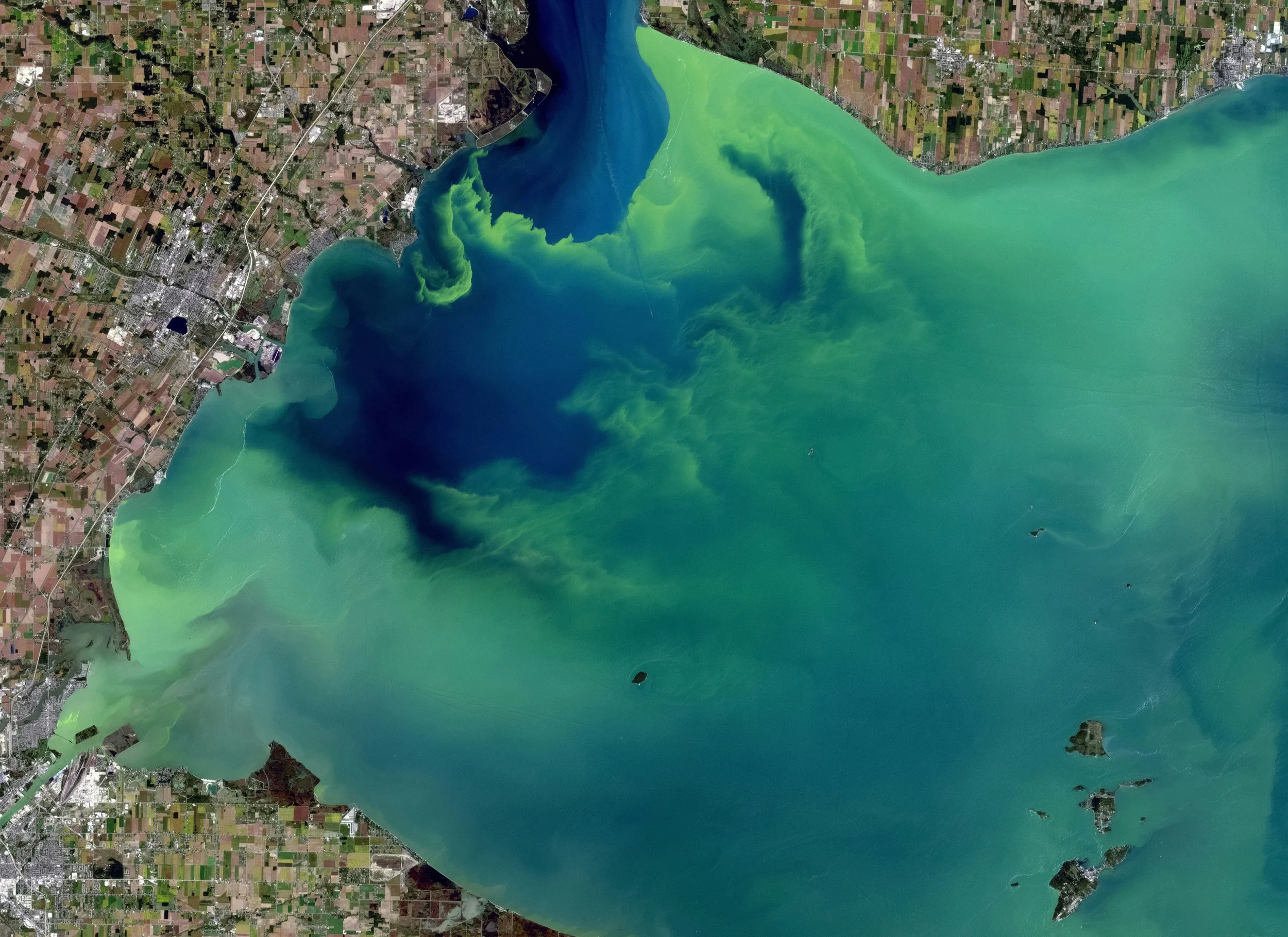
Never Be Surprised by a Harmful Algal Bloom Again
Not all cyanobacteria produce toxins. The presence of a bloom does not confirm toxicity.
The Phytoxigene CyanoDTec and DinoDTec assays provide a precise and proactive approach. Using advanced quantitative real-time PCR (qPCR) technology, it measures:
The total abundance of cyanobacteria in a water sample, and
The specific number of toxin-producing genes responsible for key cyanotoxins including those causing microcystins, saxitoxins, cylindrospermopsins, anatoxins and guanatoxins.
The genetic potential for toxin production almost always precedes toxin synthesis. By detecting toxin genes early—often before toxins accumulate to harmful levels—water utilities, environmental managers and public health officials gain critical lead time to act.
Rather than reacting to a full-scale harmful algal bloom (HAB) and its associated risks, Phytoxigene enables preventive management of emerging issues. This targeted, molecular-based early warning system helps protect drinking water supplies, recreational waters, and ecosystems more efficiently and cost-effectively.
Detect the threat and quantify the risk before it becomes a crisis.
Interested in a free demonstration or sample analysis?
Standard Method 10120
The American Public Health Association (APHA), American Water Works Association (AWWA), and the Water Environment Federation (WEF) have approved and published the CyanoDTec assay as Standard Method 10120; QUANTITATIVE PCR FOR CYANOBACTERIA AND CYANOTOXIN-PRODUCING GENES. Click here to learn more.